ŌTOROHANGA DISTRICT MOVING FORWARD ON ROAD TO RECOVERY
Ōtorohanga District Council’s recovery effort following the February floods is making strong progress. The council is continuing to support the community, including those still impacted by the severe weather event
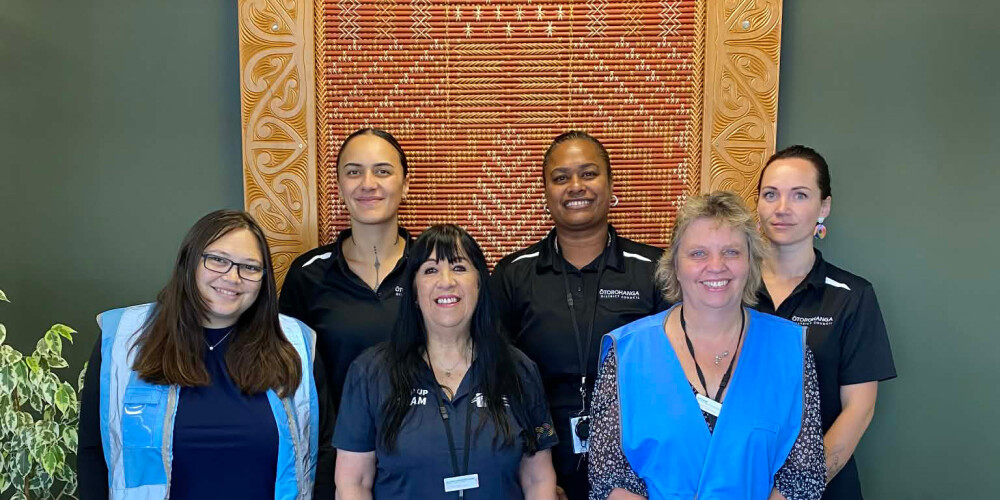
Ōtorohanga District moving forward on the road to recovery
Ōtorohanga District Council’s recovery effort following the February floods is making strong progress. The council is continuing to support the community, including those still impacted by the severe weather event.
Council is providing ongoing support and information to people, including those who have not been able to return to their homes. The Mayoral Relief Fund has paid $189,256 to support people needing immediate help following the floods. It was intended as a last-resort measure, where other sources of assistance such as insurance or government welfare have been exhausted. Applications closed 7 August 2026. We would like to thank the many members of the community, businesses and others who generously donated to the fund. The Government contributed significantly to the fund.
All affected roads are now open and priority repairs to the district’s water system have been completed. Ongoing work is underway to ensure long-term sustainable solutions where more complex issues are involved.
“Impacts for hundreds of people and properties have been significant and, in some cases, devastating. We have deep empathy for all those affected by this severe weather event,” Council chief executive Tanya Winter says.
“Council has arranged community meetings, information packs and one-on-one support for many people. We’re encouraging anyone who needs help to contact us, and we can connect people to support including wellbeing and welfare agencies.”
After the floods, Council building inspectors carried out Rapid Building Assessments in the storm-affected areas, using a placard system. Yellow placards mean limited access only. There are 23 properties remaining with yellow placards, where people are unable to return home at this time. For these households, Council has organised recovery case managers, offered rates remission and commissioned hazard assessment reports. We will continue to provide information to support their decision-making.
Five properties have white placards, down from 33. Properties with white placards are safe to occupy, but people should keep monitoring for any damage.
On 11 May, the council’s Recovery Transition period will officially end. The recovery phase was put in place on 25 February, after the Civil Defence State of Emergency relating to the February floods was lifted.
The transition period has supported our recovery work across the district, by giving Council powers to manage, co-ordinate, and direct recovery activities as required. It is being lifted now as these powers are no longer required.
However, the recovery effort continues for now and we will keep providing support and information to our community.
“We are focused on supporting our communities to remain safe, well and connected. Follow-up work is important so those affected are aware of the assistance available and the pathways to access it,” Tanya says.
Facts and figures (since the floods):
- 87 affected roads have been repaired
- 5 roads are open with restrictions while long-term repairs are carried out
- Council is working with contractors for lasting solutions for these roads
- 8 repairs completed to water and wastewater supply
- 27 tonnes of debris removed
- $189,256 paid from the Mayoral Relief Fund to support people
·
For more help, visit www.otodc.govt.nz/help-services
More News

KĀWHIA BEACH ACCESS VEHICLE RESTRICTIONS

Ōtorohanga District Council Chief Executive announces new opportunity

BOOK NOW FOR THE PREMIERE OF AN INSPIRING FILM BY ŌTOROHANGA COLLEGE STUDENTS

Build, Explore, and Engineer This Term 4!