MEDIA RELEASE: ŌTOROHANGA AND WAITOMO DISTRICT COUNCILS
Councils look to lead own future under local government reform proposal
COUNCILS LOOK TO LEAD OWN FUTURE UNDER LOCAL GOVERNMENT REFORM PROPOSAL
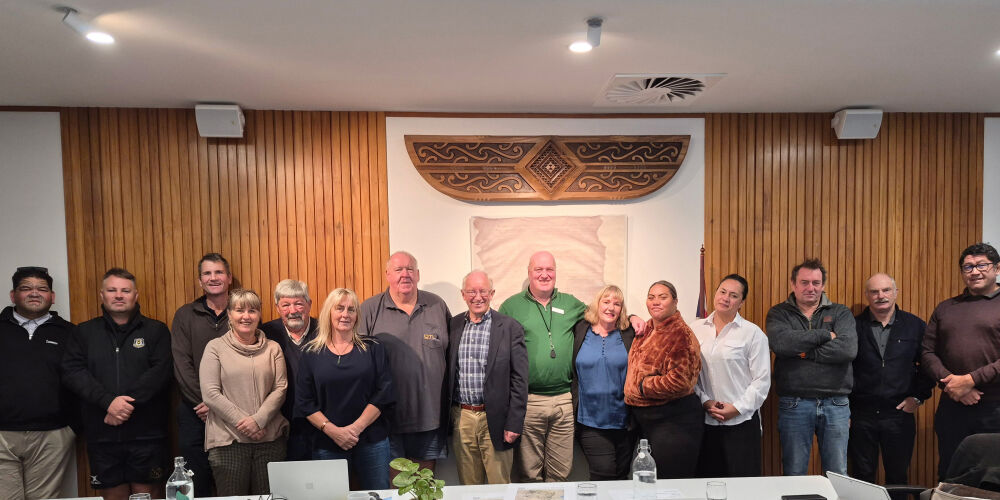
Elected members from Ōtorohanga and Waitomo District Councils met yesterday for a considered discussion on how to respond to central government’s call for proposals to simplify local government.
Resource Management Act Reform Minister Hon Chris Bishop and Local Government Minister Hon Simon Watts sent a letter to all councils on 5 May 2026 announcing the government process for local government amalgamation under their ‘Simplifying Local Government’ strategy.
Two processes were outlined by government:
1. ‘Head Start’ – a voluntary approach where two or more councils submit an amalgamation proposal to central government by 9 August 2026.
2. ‘Back Stop’ – a process for those councils that don’t submit a ‘Head Start’ proposal where central government will determine how amalgamation will occur.
Both sets of elected members from the Waitomo and Ōtorohanga District Councils were positive about the opportunity to discuss deciding their own destiny by potentially merging the two councils. The alternative is a central government led process that could lead to the communities being part of a ‘Super City’ type council.
Both councils will bring to their 26 May 2026 council meetings a resolution to develop a ‘Head Start’ proposal between Ōtorohanga and Waitomo District Councils for submission to central government by 9 August 2026. If councils don’t engage in the ‘Head Start’ pathway then government will decide using the ‘Back Stop’ pathway.
Ōtorohanga Mayor Rodney Dow said: “Our communities have a strong history of working together. We have the opportunity to shape a proposal that reflects the unique strengths and identity of our communities, rather than waiting for decisions to be made for us. At the heart of this process is ensuring strong local representation and delivering better long-term outcomes for our communities.”
Waitomo Mayor John Robertson said: “This proposal is about exploring opportunities together, while making sure local voices remain strong and decisions continue to reflect the needs of our districts. We’ll be taking a practical and measured look at how local government could operate more effectively and efficiently into the future. We know people will have questions, and community voices will be an important part of the process as the proposal develops.”
Next steps: Proposals will be assessed by central government in September 2026. If approved, the final more detailed proposals need to be submitted by councils in March 2027, with a government decision in May 2027. This will be implemented for the 2028 local government elections.
More News

KĀWHIA BEACH ACCESS VEHICLE RESTRICTIONS

Ōtorohanga District Council Chief Executive announces new opportunity

BOOK NOW FOR THE PREMIERE OF AN INSPIRING FILM BY ŌTOROHANGA COLLEGE STUDENTS
Build, Explore, and Engineer This Term 4!