MEDIA RELEASE – OUR DISTRICT’S ROAD TO RECOVERY
Our District’s Road to Recovery flood recovery update, which provides an overview of the work underway across the district following the February severe weather event.
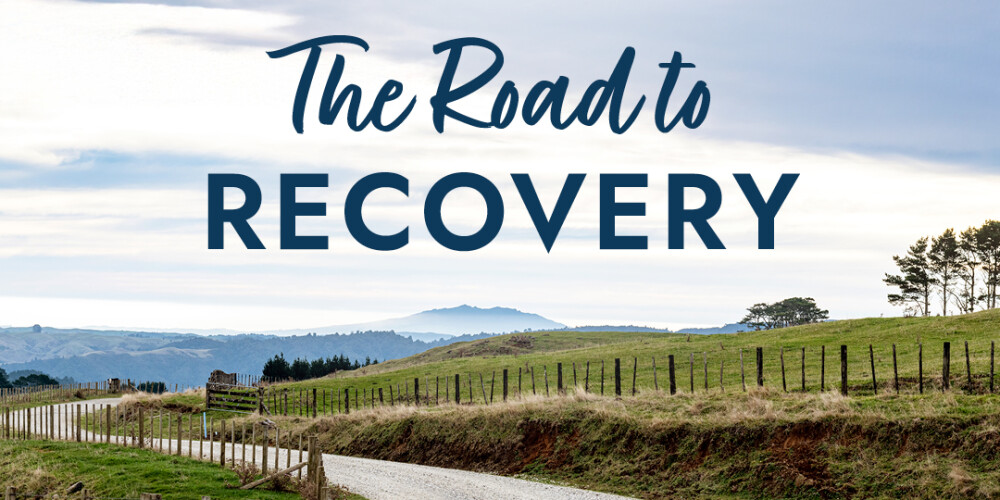
Following the severe weather and flooding across the Ōtorohanga District on 13 - 14 February, many people across our communities experienced disruption, damage and uncertainty. As the immediate emergency has passed, our district has begun the journey into recovery.
While the emergency response phase has now ended, the work to repair damage, restore infrastructure and help our communities move forward continues. Recovery takes time. This update shares the work currently underway, the priorities guiding our recovery programme, and where people can find support if they have been impacted.
Ōtorohanga District Council is coordinating recovery across our district, working alongside Waipā District Council, government agencies, lifeline utilities, iwi and hapū, community organisations and industry partners. Together, we are focused on restoring essential services and helping our communities reconnect and rebuild.
Mayor Rodney Dow says the focus now is on supporting the district as recovery continues.
“This has been a challenging time for many in our community. Our priority now is working alongside our people as we repair damage, restore access and move forward together.”
We remain committed to keeping our communities informed as recovery progresses.
OUR ROAD TO RECOVERY | TŌ TĀTOU HAERENGA KI TE WHAKAORANGA
To help keep our community informed as recovery continues, we are creating a dedicated online space called: OUR ROAD TO RECOVERY | TŌ TĀTOU HAERENGA KI TE WHAKAORANGA
This will bring together all recovery updates, key information and progress across the district in one place.
The page will include:
- recovery updates and progress reports
- road and infrastructure restoration updates
- information for affected households and businesses
- links to support services and assistance programmes
- important announcements and community information
Once launched, this space will become the central source of truth for recovery information in the Ōtorohanga District, making it easier for people to find the latest updates and stay informed as work continues.
This online space will be available and promoted across council channels soon.
OUR RECOVERY PRIORITIES
Recovery work across the district is guided by four key focus areas.
COMMUNITY - WHĀNAU AND COMMUNITY WELLBEING
Supporting our communities to remain safe, well and connected, while ensuring people know how to access the right support services where needed. Follow-up work will continue so those affected are aware of the assistance available and the pathways to access it.
BUILT - LIFELINES, INFRASTRUCTURE AND ACCESS
Restoring and strengthening critical lifelines and infrastructure so they are reliable and more resilient where feasible. This includes restoring safe access and connectivity for our communities and our local economy.
NATURAL - TE TAIAO AND PLACES OF SIGNIFICANCE
Protecting and restoring te taiao, managing land stability and environmental risks, and safeguarding places of significance. Our recovery approach supports long-term restoration while recognising cultural values.
ECONOMIC - STABILITY AND RECOVERY FOR LIVELIHOODS
Supporting the stability of households, businesses and farms by restoring access, reducing disruption and enabling local livelihoods to recover.
Recovery requires sustained coordination across council, lifeline utilities, government agencies, iwi and hapū, community organisations and the private sector.
Some recovery actions can be completed quickly, while others take longer and require technical assessments, engineering design, funding decisions and construction. Our focus is on solutions that are sustainable, resilient and cost-effective for the long ter
PARTNERSHIP APPROACH
During the response phase, Ōtorohanga District Council worked alongside Waipā District Council in a Western Waikato Emergency Operations Centre from 14 to 25 February. This joint response enabled partner agencies to coordinate resources and respond quickly as the situation unfolded.
As we move into recovery, the two councils are now leading recovery programmes within their own districts, reflecting the different impacts and priorities in each area.
We will continue to coordinate closely where iwi interests, infrastructure and systems cross district boundaries - including shared transport routes, rural connections and waterways.
RESTORING ROADS AND INFRASTRUCTURE
A significant programme of work is underway to repair roads damaged during the February floods that remain closed.
Our council teams and contractors are continuing repair work while also planning permanent solutions where roads, culverts and drainage systems were significantly impacted.
You will see staged progress as this work continues. Some sites require further engineering investigation to determine the most sustainable and cost-effective repair approach.
As repairs progress, roads will reopen where it is safe to do so, including restoring full access to roads that are currently operating as one lane.
Click here for updates on our roading network.
SUPPORTING AFFECTED HOUSEHOLDS
Where households have been directly impacted, council staff will continue follow-up to ensure people have clear information about what comes next and where they can find support if needed.
Some homes in the district received yellow placards following rapid building assessments after the flood. Council staff will continue working with affected households to understand the range of situations people are in, what the barriers and challenges are, so that Council staff can better understand how this journey together may unfold.
SUPPORTING THE RURAL SECTOR
We are working alongside rural sector partners to ensure farmers and rural communities are aware of the support services available during recovery.
Our partners include:
- Rural Support Trust
- Ministry for Primary Industries
- Rural Cluster Group
These organisations play an important role in supporting farmers, growers and rural businesses through recovery.
REPAIRING WATER AND WASTEWATER SYSTEMS
Council has repaired the Main North Road sewer pump station, which suffered electrical damage during the weather event.
Work is also underway to repair structural and electrical system damage at the wastewater treatment plant north of the Ōtorohanga township.
This work includes repairs to the settling pond and associated electrical and control systems. Remedial works completed on 15 February enabled the plant to continue operating without compromising treatment performance, with discharges remaining compliant with consent conditions.
Additional work underway includes:
- temporary repair of the sewer main at Gradara Avenue while a long-term solution is developed
- investigation of stormwater repairs, including options to repair the Ōtorohanga Domain stormwater pipeline
MAYORAL DISASTER RELIEF FUND
The Ōtorohanga District Mayoral Disaster Relief Fund assists people affected by the February floods. Applications close 7 August 2026.
The fund may assist with:
- basic household needs and essential personal items (where uninsured or underinsured)
- clearing debris from properties
- assistance with insurance excess payments
- replacement of essential uninsured or underinsured items
WHERE TO FIND SUPPORT
Many people across our district continue to experience the impacts of the February floods. If you or someone you know needs support, a number of organisations are available to help.
Council staff can help connect people with the appropriate services if needed.
HERE TO HELP YOU
One-stop support for food parcels, financial hardship, mental health services and more.
Visit www.heretohelpu.nz
MINISTRY OF SOCIAL DEVELOPMENT (MSD)
Financial assistance, welfare support and accommodation help.
Phone: 0800 559 009
Website: www.workandincome.govt.nz
You can also visit your local MSD office.
RURAL SUPPORT TRUST
Confidential support for farmers, growers and rural whānau.
Phone: 0800 787 254
Website: www.rural-support.org.nz
NEED TO TALK?
Free counselling support available 24/7.
Call or text: 1737
Website: www.1737.org.nz
SALVATION ARMY
Support services including food assistance, budgeting advice and community support.
Phone: 0800 53 00 00
Email: [email protected]
Website: www.salvationarmy.org.nz
Closest Family Store:
168 George Street, Te Awamutu
Phone: (07) 871 3965
NEW ZEALAND RED CROSS
Community support and emergency assistance services.
Phone: 0800 733 276
Website: www.redcross.org.nz
ŌTOROHANGA SUPPORT HOUSE - WHARE AWHINA
Local support services including food assistance, social support and community programmes.
Address: 120 Maniapoto Street, Ōtorohanga
Phone: (07) 873 8156
Email: [email protected]
TE KUITI COMMUNITY HOUSE TRUST
Community support services including advocacy, social services and local programmes.
Address: 28 Taupiri Street, Te Kūiti
Phone: (07) 878 5272
Email: [email protected]
ŌTOROHANGA DISTRICT COUNCIL
For recovery information and to help connect you with the appropriate support services.
Phone: 0800 734 000 (24 hours)
Email: [email protected]
Website: www.otodc.govt.nz
THE FEBRUARY FLOODS - NUMBERS AT A GLANCE AS OF 10 MARCH 2026
The severe weather event had a significant impact on our communities. From widespread road damage to housing damage and major infrastructure repairs, the scale of recovery work now underway shows just how extensive the event was.
Please note - these numbers were correct as of 10am on 10 March 2026.
TRANSPORT NETWORK IMPACT
37 local roads were affected across the district - most faults involve culverts, drainage systems and slips, requiring substantial engineering assessments and repairs.
· Known fault sites recorded in the road network - approximately 350 - 400
· Local roads closed at the peak of the event - 21
· Roads still fully closed for repair - 2
· Roads open with one lane and ongoing repairs - 19
State Highways
· State highways closed during the event - 3
· State highways still awaiting reopening - 1
INFRASTRUCTURE DAMAGE
· Bridges damaged across the district - 23
· Bridges closed during the event - 4
· Bridges currently unable to carry full capacity - 1
LANDSLIPS AND ROAD DAMAGE
· Major landslips or subsidence sites identified - 8
· Some roads have experienced continuous slip zones, including:
o Lurman Road - approximately 2km of almost continuous slips (roughly one every 100m)
o Pirongia West Road - approximately 3km of continuous slips
o Mangati Road - bridge completely lost, temporary ford installed for residents only during fine weather
HOUSING IMPACT
Placards indicate buildings that require assessment or have restricted use following the flooding. Those currently affected:
· Yellow placards issued -19
· White placards issued - 10
· People displaced from homes - 116
WELFARE IMPACT
The Welfare team has been working closely with people affected by the storm event, providing support through community BBQs, wellbeing check-ins, and connecting residents with services that can assist them.
Support provided to date:
· Welfare visits completed - 22
· Wellbeing check calls made - 76
· Community meetings held - 4
ENDS
Media contact:
Helen Williams
Manager - Communications & Engagement
Ōtorohanga District Council
[email protected] | 07 873 4000
More News

RURAL RECYCLING UPDATE: NGUTUNUI SCHOOL

TOP TIPS FOR POOL SAFETY THIS SUMMER!
Te Wiki o te Reo Māori Storytime

Draft Alcohol Fees Bylaw
BUILDING SERVICES – TEMPORARY SERVICE DELAYS